
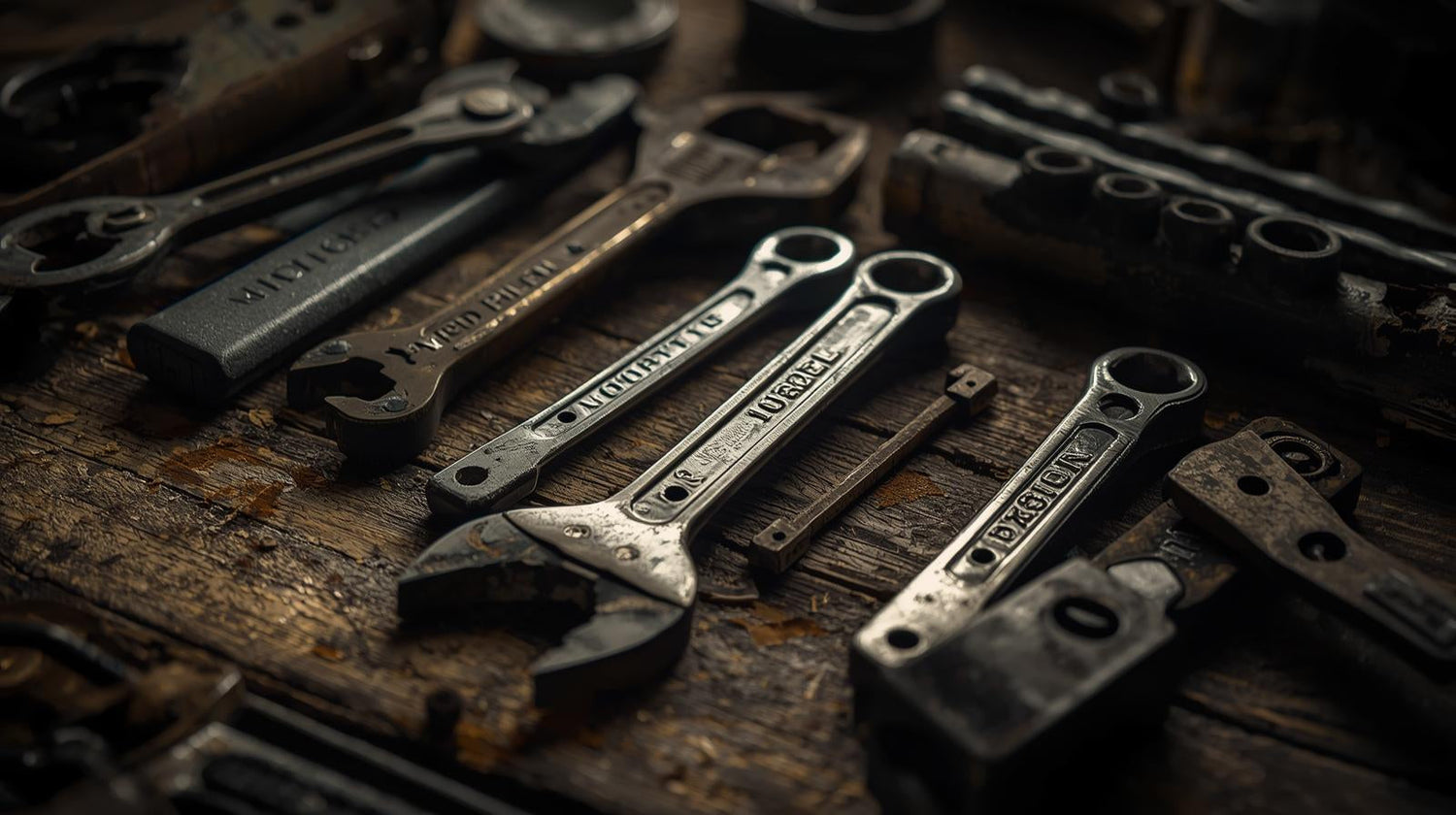
Taking your car to a professional mechanic for every minor issue can quickly drain your wallet. The good news? Many common car repairs are surprisingly simple to perform yourself with the right tools and guidance. In this comprehensive guide, we'll walk you through seven essential DIY car repairs that anyone can master using quality AlexCar tools. Not only will you save hundreds of dollars in service fees, but you'll also gain valuable skills and the satisfaction of maintaining your vehicle with your own hands.
Why DIY Car Repairs Make Sense
Before diving into specific repairs, let's understand why DIY car maintenance is worth your time and effort:
Financial Benefits
- Save $80-150 per hour in labor costs
- Avoid markup on parts (often 25-50% at shops)
- Prevent costly repairs through regular maintenance
- Recoup tool investment after just a few repairs
Personal Benefits
- Develop practical mechanical skills
- Gain confidence in understanding your vehicle
- Complete repairs on your schedule
- Ensure quality work with careful attention
- Build self-reliance for roadside situations
Ready to Start Your DIY Car Repair Journey?
AlexCar offers premium-quality tools designed specifically for home mechanics. Our tools combine professional-grade durability with user-friendly design to make DIY repairs accessible to everyone.
Explore AlexCar Tool Sets
Safety First: Essential Precautions
Before attempting any car repair, safety should be your top priority. Follow these essential guidelines to ensure a safe DIY experience:
Critical Safety Precautions
- Always disconnect the battery before working on electrical components
- Use proper jack stands when working underneath your vehicle—never rely solely on a jack
- Work in a well-ventilated area, especially when dealing with fluids or chemicals
- Wear appropriate safety gear including gloves and eye protection
- Allow engine to cool completely before working on components
- Keep a fire extinguisher nearby when working with flammable materials
- Consult your vehicle's service manual for specific safety guidelines
Essential Safety Equipment from AlexCar
AlexCar offers a complete range of safety equipment designed specifically for DIY mechanics:
- AlexCar Mechanic's Gloves - Oil-resistant with enhanced grip
- AlexCar Safety Glasses - Impact-resistant with anti-fog coating
- AlexCar Jack Stand Set - 3-ton capacity with double-locking mechanism
- AlexCar First Aid Kit - Compact kit with essential supplies for minor injuries
1. Oil and Filter Change
Changing your oil regularly is the single most important maintenance task for extending your engine's life. With AlexCar tools, this 30-minute procedure can save you $40-80 per service.
Required AlexCar Tools
- AlexCar Oil Filter Wrench - Designed for easy grip on slippery filters
- AlexCar Oil Drain Pan - 16-quart capacity with anti-splash design
- AlexCar Socket Set - Includes common drain plug sizes
- AlexCar Funnel Set - For clean, spill-free oil filling
Step-by-Step Instructions
- Run engine for 5 minutes to warm oil (warm oil flows better)
- Locate drain plug underneath engine and position drain pan
- Use appropriate AlexCar socket to remove drain plug
- Allow oil to drain completely (10-15 minutes)
- Use AlexCar Oil Filter Wrench to remove old filter
- Apply thin film of new oil to gasket of new filter
- Install new filter (hand-tighten only, following package instructions)
- Replace drain plug and tighten to specifications
- Add new oil using AlexCar Funnel (check manual for correct amount)
- Run engine for 30 seconds, check for leaks, and verify oil level
Pro Tip: Write the date and mileage on your new oil filter with a permanent marker. This provides an easy reference for your next change.
How often should I change my oil?
For conventional oil, every 3,000-5,000 miles. For synthetic oil, every 7,500-10,000 miles. Always follow your vehicle manufacturer's recommendations in your owner's manual.
2. Brake Pad Replacement
Replacing worn brake pads is crucial for safety and can save you $150-300 per axle compared to shop rates. With the right AlexCar tools, this intermediate-level repair becomes manageable for most DIYers.
Required AlexCar Tools
- AlexCar Brake Tool Kit - Includes caliper piston compressor and pad spreader
- AlexCar Jack and Jack Stands - For safe vehicle elevation
- AlexCar Socket and Wrench Set - For caliper bolt removal
- AlexCar Torque Wrench - For precise tightening of caliper bolts
- AlexCar Brake Cleaner - For removing brake dust and contaminants
Step-by-Step Instructions
- Loosen wheel lug nuts while vehicle is on ground
- Jack vehicle and secure with AlexCar Jack Stands
- Remove wheel completely
- Locate caliper assembly and remove bolts with appropriate AlexCar socket
- Carefully lift caliper off rotor (it may be tight from rust)
- Remove old brake pads and inspect rotor surface
- Use AlexCar Caliper Tool to compress piston back into caliper
- Install new brake pads with included hardware
- Reinstall caliper and tighten bolts to specification with AlexCar Torque Wrench
- Replace wheel, lower vehicle, and tighten lug nuts in star pattern
- Pump brake pedal several times before driving to establish proper pedal feel
Safety Warning: After replacing brake pads, test brakes at low speed in a safe area before normal driving. New pads may require 200-300 miles to "bed in" for optimal performance.
"The AlexCar Brake Tool Kit saved me hundreds on my SUV's brake job. The caliper compressor made what used to be a frustrating job surprisingly easy."
3. Battery Replacement and Maintenance
A failing battery can leave you stranded without warning. Replacing it yourself is straightforward and saves $20-40 in service fees. Regular maintenance can extend battery life by years.
Required AlexCar Tools
- AlexCar Battery Tool Kit - Includes terminal cleaners and wrenches
- AlexCar Battery Carrier - For safe removal of heavy batteries
- AlexCar Terminal Protector Spray - Prevents corrosion
- AlexCar Digital Multimeter - For testing battery voltage
Step-by-Step Instructions
- Locate battery and identify positive (red, +) and negative (black, -) terminals
- Use AlexCar wrench to disconnect negative terminal first, then positive
- Remove any battery hold-down clamps or brackets
- Use AlexCar Battery Carrier to safely lift out old battery
- Clean battery tray with baking soda solution if corroded
- Install new battery in same position
- Secure battery with hold-down clamps
- Connect positive terminal first, then negative
- Apply AlexCar Terminal Protector to prevent future corrosion
- Test electrical system functionality
Battery Maintenance Tips
- Use AlexCar Digital Multimeter to check battery voltage monthly (12.6V is fully charged)
- Clean terminals with AlexCar Battery Cleaner at first sign of corrosion
- Inspect cables for fraying or damage during each oil change
- Consider an AlexCar Battery Tender for vehicles used infrequently
Pro Tip: When disconnecting a battery, have your radio security code handy. Many vehicles require this code to reactivate the audio system after power loss.
4. Spark Plug Replacement
Fresh spark plugs improve fuel efficiency, engine performance, and starting reliability. This straightforward maintenance task can save $100-250 in service costs and takes about an hour with AlexCar tools.
Required AlexCar Tools
- AlexCar Spark Plug Socket Set - Rubber-lined to prevent plug damage
- AlexCar Torque Wrench - For precise tightening
- AlexCar Ratchet and Extension Set - For accessing recessed plugs
- AlexCar Gap Tool - For checking and adjusting plug gap
- AlexCar Dielectric Grease - For boot protection
Step-by-Step Instructions
- Ensure engine is completely cool before beginning
- Remove engine cover if present (consult manual)
- Locate spark plug wires or coil packs
- Remove one wire/coil at a time to avoid confusion
- Use AlexCar Spark Plug Socket with extension to remove old plug
- Check new plug gap with AlexCar Gap Tool and adjust if needed
- Apply small amount of anti-seize to plug threads (if recommended by manufacturer)
- Install new plug by hand initially to avoid cross-threading
- Tighten with AlexCar Torque Wrench to specification (typically 15-20 ft-lbs)
- Apply dielectric grease to inside of boot before reconnecting
- Repeat for remaining plugs, working on one at a time
|
Engine Type |
Recommended Interval |
Typical Plug Type |
Torque Spec |
|
4-cylinder |
30,000-60,000 miles |
Copper/Platinum |
15-18 ft-lbs |
|
6-cylinder |
60,000-100,000 miles |
Platinum/Iridium |
18-22 ft-lbs |
|
8-cylinder |
60,000-100,000 miles |
Platinum/Iridium |
18-22 ft-lbs |
Pro Tip: Take a photo of the engine bay before removing any components to ensure everything goes back in the correct position.
5. Air Filter Replacement
A clean air filter improves fuel economy and engine performance. This 10-minute job can save you $30-50 in service fees and should be performed every 15,000-30,000 miles.
Required AlexCar Tools
- AlexCar Precision Screwdriver Set - For air box fasteners
- AlexCar Panel Removal Tools - For clips and fasteners
- AlexCar Inspection Light - For examining filter housing
Step-by-Step Instructions
- Locate air filter housing (typically a black plastic box near the front of the engine)
- Use AlexCar Precision Screwdrivers to remove clips or screws securing the housing
- Carefully lift or unclip the air box lid
- Remove old air filter and note its orientation
- Use AlexCar Inspection Light to check housing for debris
- Clean housing interior if necessary
- Insert new filter in same orientation as the old one
- Resecure air box lid and fasteners
- Ensure all clips are properly engaged
Benefits of Regular Air Filter Changes
- Improved fuel economy (up to 10%)
- Better acceleration and performance
- Reduced emissions
- Extended engine life
- Improved airflow to engine
Signs of a Clogged Air Filter
- Reduced fuel economy
- Sluggish acceleration
- Unusual engine sounds
- Check engine light (severe cases)
- Black smoke from exhaust
Pro Tip: Hold your old air filter up to a bright light. If light doesn't pass through easily, it's time for replacement. Some filters can be cleaned rather than replaced—check manufacturer recommendations.
6. Headlight Bulb Replacement
Driving with burnt-out headlights is both dangerous and illegal. Replacing them yourself can save $50-100 in service fees and takes just 15-30 minutes with the right approach.
Required AlexCar Tools
- AlexCar Trim Removal Kit - For accessing headlight assemblies
- AlexCar Precision Screwdriver Set - For small fasteners
- AlexCar Nitrile Gloves - To prevent oil transfer to bulbs
- AlexCar Headlight Aiming Tool - For proper alignment after replacement
Step-by-Step Instructions
- Consult your vehicle manual for specific access instructions
- Turn off lights and allow to cool completely
- Open hood and locate headlight assembly
- Remove any covers or shields using AlexCar Trim Removal Tools
- Disconnect electrical connector from bulb
- Release retaining clip, spring, or ring holding bulb in place
- Remove old bulb without touching glass portion
- Put on AlexCar Nitrile Gloves before handling new bulb
- Insert new bulb without touching glass (oils from skin can cause premature failure)
- Secure bulb with retaining mechanism
- Reconnect electrical connector
- Test light functionality before replacing covers
- Use AlexCar Headlight Aiming Tool to ensure proper beam alignment
|
Bulb Type |
Lifespan |
Brightness |
Special Considerations |
|
Halogen |
500-1,000 hours |
Standard |
Most common, affordable |
|
HID (Xenon) |
2,000-3,000 hours |
2-3x brighter than halogen |
Requires ballast, more expensive |
|
LED |
15,000-30,000 hours |
Varies by design |
May require conversion kit |
Important: Never touch the glass portion of halogen bulbs with bare fingers. The oils from your skin create hot spots that significantly reduce bulb life. Always use gloves or handle bulbs by their plastic or metal base.
7. Windshield Wiper Replacement
Worn wipers reduce visibility in wet conditions and can scratch your windshield. This five-minute repair saves $20-30 in service fees and significantly improves safety during inclement weather.
Required AlexCar Tools
- AlexCar Trim Tool Set - For releasing wiper clips
- AlexCar Glass Cleaner - For final windshield preparation
- AlexCar Microfiber Cloths - For streak-free cleaning
Step-by-Step Instructions
- Purchase correct wiper size for your vehicle (check manual or parts catalog)
- Lift wiper arm away from windshield until it locks in upright position
- Locate release tab or button on wiper blade
- Press tab and slide old blade off arm (may require AlexCar Trim Tool for stubborn clips)
- Align new wiper blade with arm in same orientation as old blade
- Slide new blade onto arm until it clicks securely
- Gently lower arm back to windshield
- Repeat for other wiper(s)
- Use AlexCar Glass Cleaner and Microfiber Cloths for final windshield cleaning
- Test wipers to ensure proper operation
Pro Tip: Replace wipers at the first sign of streaking or skipping. For best results, replace both wipers at the same time, even if only one shows wear. Consider upgrading to premium silicone wipers for longer life and better performance.
Essential AlexCar Tool Kit for DIY Car Repairs
Building a comprehensive DIY car repair toolkit doesn't have to break the bank. Here's what we recommend for handling the repairs covered in this guide and many more:
Basic Hand Tools
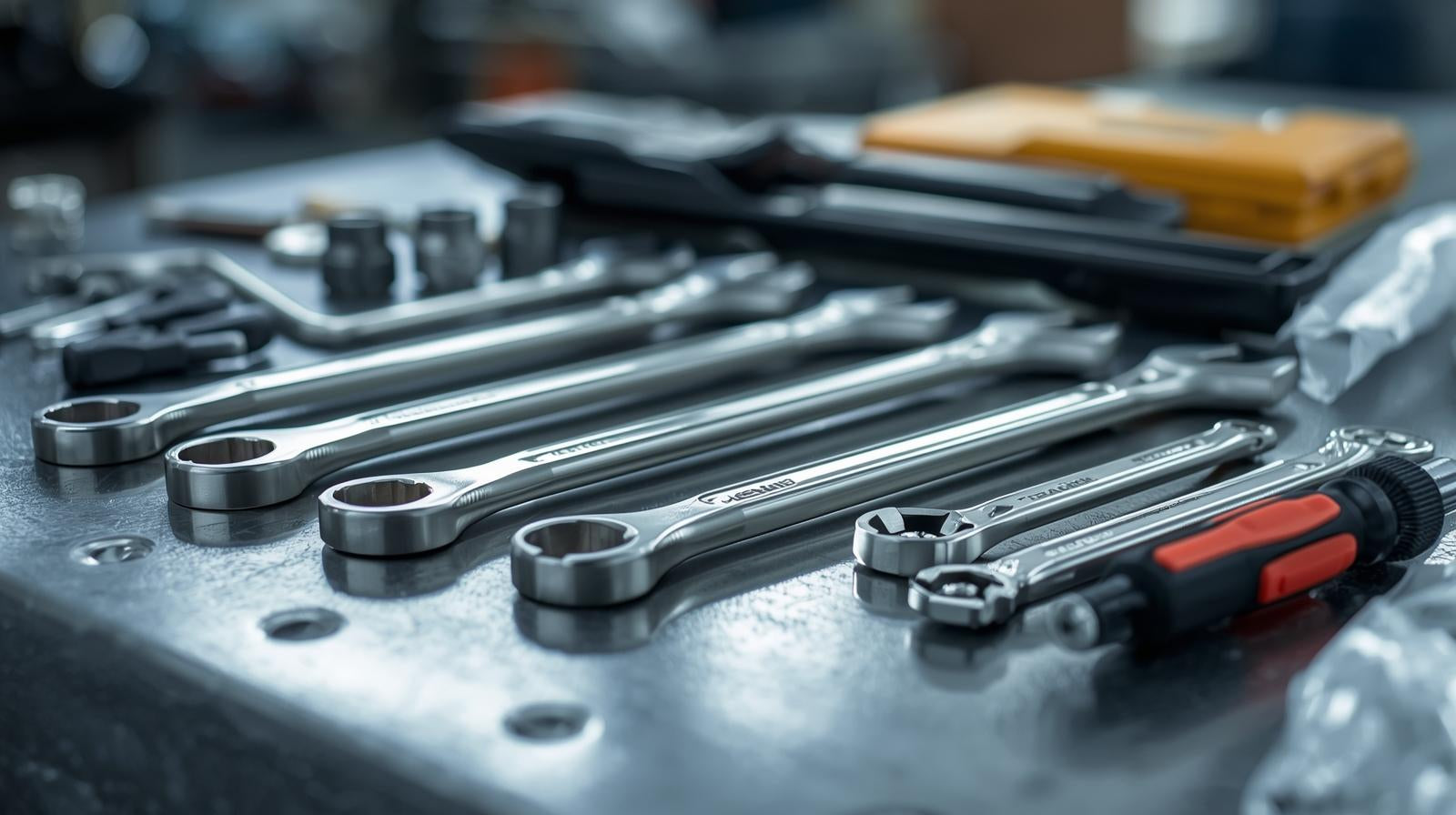
- AlexCar Socket Set (metric and standard)
- AlexCar Combination Wrench Set
- AlexCar Screwdriver Set
- AlexCar Pliers Set
- AlexCar Torque Wrench
Specialty Automotive Tools
- AlexCar Oil Filter Wrench
- AlexCar Brake Tool Kit
- AlexCar Jack and Jack Stands
- AlexCar Battery Tool Kit
- AlexCar OBD2 Scanner
Safety and Maintenance
- AlexCar Safety Glasses
- AlexCar Mechanic's Gloves
- AlexCar First Aid Kit
- AlexCar Shop Towels
- AlexCar Fluid Drain Pan
Start Your DIY Car Repair Journey Today
The AlexCar Complete DIY Car Repair Kit includes everything you need to perform all the repairs covered in this guide and many more. Professional-grade tools at DIY-friendly prices.
Get Your AlexCar Tool Kit
Diagnosing Problems Before Repairs
Successful DIY car repairs start with accurate diagnosis. The AlexCar OBD2 Scanner helps you identify issues before they become major problems.
Benefits of the AlexCar OBD2 Scanner
- Read and clear check engine light codes
- Monitor real-time engine performance data
- Verify repair success with before/after testing
- Compatible with all vehicles made after 1996
- User-friendly interface with plain-English code descriptions
- Save hundreds on diagnostic fees
"I was quoted $89 just for the diagnostic fee at my local shop. With my AlexCar OBD2 Scanner, I identified a faulty oxygen sensor in minutes and replaced it myself. Total savings: over $200."
- Jennifer K., AlexCar customer
Conclusion: Empowering Your DIY Car Repair Journey
With the right AlexCar tools and the guidance provided in this article, you're well-equipped to tackle these seven essential car repairs and save hundreds of dollars in service fees. Beyond the financial benefits, DIY car maintenance builds valuable skills and gives you greater confidence in understanding your vehicle.
Remember that safety should always be your top priority. Start with simpler repairs like wiper and air filter replacements before progressing to more complex jobs like brake pad replacement. Consult your vehicle's service manual for specific procedures and specifications, and don't hesitate to seek professional help for repairs beyond your comfort level.
By investing in quality AlexCar tools, you're not just saving money on a single repair—you're building a toolkit that will serve you for years to come across multiple vehicles and countless maintenance tasks. The satisfaction of completing your own repairs and the knowledge you gain along the way are invaluable benefits of the DIY approach to car maintenance.
Ready to Start Saving with DIY Car Repairs?
AlexCar offers complete tool kits designed specifically for DIY car repairs. Professional quality, lifetime warranty, and expert support to guide you through any project.
Explore AlexCar DIY Tool Kits
Frequently Asked Questions About DIY Car Repairs
How much money can I save by doing my own car repairs?
The savings vary by repair, but DIY car maintenance typically saves 50-80% compared to professional service. For example, an oil change might cost $50-80 at a shop but only $25-35 in materials when done yourself. More complex repairs like brake pad replacement can save $150-300 per axle. Over a vehicle's lifetime, DIY maintenance can save thousands of dollars.
Will performing my own repairs void my vehicle's warranty?
No, under the Magnuson-Moss Warranty Act, manufacturers cannot void your warranty simply because you performed maintenance yourself. However, if your DIY repair is done incorrectly and causes damage, that specific damage might not be covered. Keep receipts for parts and document your maintenance to demonstrate proper care.
What DIY car repairs should beginners avoid?
Beginners should avoid repairs involving critical safety systems (like steering components), complex electronic systems, transmission work, timing belt replacement, and air conditioning repairs. These typically require specialized tools, extensive knowledge, or involve environmental regulations. Start with basic maintenance like oil changes, filter replacements, and battery service before progressing to more complex repairs.
How do I know which AlexCar tools are right for my vehicle?
AlexCar offers vehicle-specific tool guides on our website. Simply enter your vehicle's make, model, and year to see recommended tools for common repairs. Our universal DIY Car Repair Kit covers 90% of maintenance tasks for most vehicles. For specialized repairs, consult your vehicle's service manual for specific tool requirements or contact AlexCar customer support for personalized recommendations.


Leave a comment
This site is protected by hCaptcha and the hCaptcha Privacy Policy and Terms of Service apply.