
When you travel with your dog, safety should always come first — but if you’ve ever shopped for dog seat covers, you’ve probably wondered:
“Are dog seat covers actually safe for my pet?”
It’s a smart question. Modern seat covers look protective, durable, and stylish… but not all are created equal. Some enhance safety, while others — especially low-quality or poorly installed covers — can actually increase risk during sudden stops, fast turns, or accidents.
In 2025, dog owners are more informed and safety-conscious than ever. With road trips becoming more popular and more pets riding in cars daily, it’s important to fully understand how dog seat covers affect your pet’s wellbeing.
This guide breaks down everything you need to know:
✔ How dog seat covers work
✔ Whether they’re truly safe
✔ What to look for when choosing one
✔ What features actually protect your dog
✔ Common safety mistakes to avoid
Let’s dive into the facts so you can make the safest choice for your furry passenger.
Are Dog Seat Covers Safe? The Short Answer
Yes — dog seat covers are safe when used correctly and combined with proper restraints.
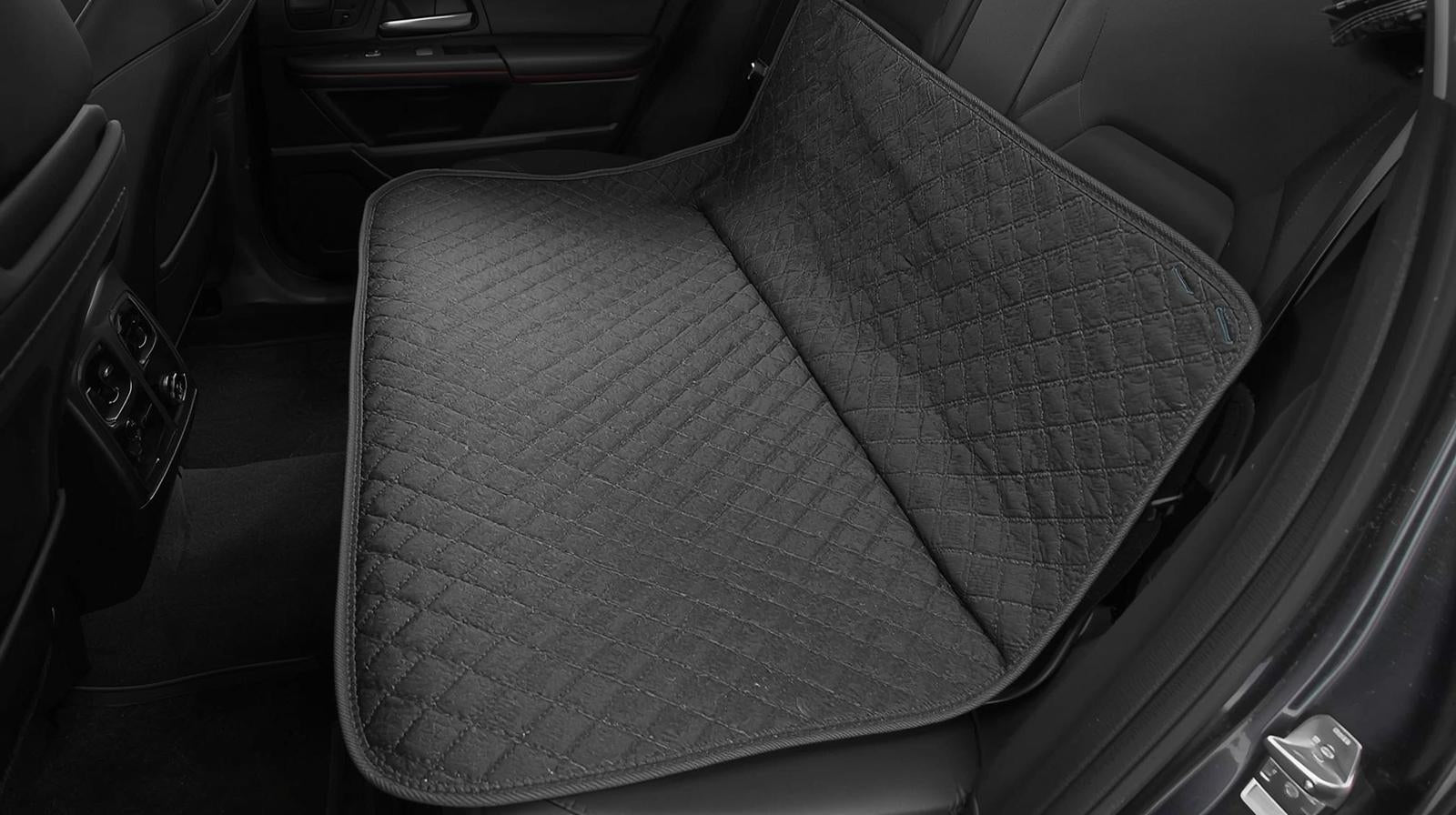
A high-quality dog seat cover prevents slipping, protects your interior, stabilizes your dog’s seating area, and reduces injury risk during movement.
BUT…
A seat cover alone does not secure your dog.
And an unrestrained dog is never safe, no matter how good the seat cover is.
That’s why safety comes from a combination:
Seat Cover + Harness + Seatbelt Attachment
This trio creates a stable, comfortable, and secure environment.
Let’s break down how and why this works.
How Seat Covers Improve Your Dog’s Safety
Many dog owners think seat covers are just for keeping hair and mud off the seats — but the truth is, they play a big role in protecting your dog too.
Here’s how:
1. They Prevent Slipping and Sliding
Smooth leather or synthetic seats are extremely slippery for dogs.
During a sudden brake or turn, your dog can:
- Slide across the seat
- Fall into the footwell
- Hit the door panel
-
Lose balance and panic
A dog seat cover with non-slip rubber backing fixes this by providing grip, stability, and traction.
This is especially important for:
- Older dogs
- Dogs with joint issues
- Nervous dogs
-
Puppies who move constantly
2. They Provide a Secure, Comfortable Surface
Seat covers add cushioning to reduce:
- Joint pressure
- Anxiety during long drives
- Vibrations and bumps
-
Muscle fatigue
A dog who feels secure is far less likely to jump around or shift dangerously.
3. They Help Restraints Work Better
Your dog’s harness or seatbelt attachment needs a stable base.
A slippery seat makes restraints less effective.
Seat covers with reinforced seatbelt openings ensure car restraints pass through cleanly and securely.
Without these openings, owners sometimes make unsafe holes or position belts incorrectly — which weakens the entire safety system.
4. Hammock-Style Covers Prevent Falls
Hammock covers attach to both the front and back headrests, forming a cradle.
This stops dogs from:
- Falling into the footwell
- Jumping to the front
-
Getting stuck between seats
It’s one of the safest setups for medium to large dogs and nervous travellers.
5. They Keep Dogs in Their Designated Space
A protected, enclosed space reduces chaotic behaviour.
A calmer dog = a safer car ride.
Dog seat covers define a “zone” your dog recognizes, decreasing anxiety and movement.
But Are All Seat Covers Safe? Absolutely Not.
Here’s the truth most brands won’t tell you:
Cheap dog seat covers can be unsafe.
Poorly designed covers may:
- Slide dangerously
- Tear under pressure
- Block seatbelt receivers
- Use weak anchoring straps
- Interfere with airbags
-
Cause overheating due to poor ventilation
Safety is determined by quality, construction, and setup.
Let’s go deeper.
What a Safe Dog Seat Cover MUST Have
If you want a seat cover that keeps your dog safe, these features are non-negotiable:
1. Non-Slip Backing
The cover must stay locked in place.
High-quality covers use:
- Textured rubber backing
- Anchors that tuck into the seat
-
Adjustable straps for stability
If it slips even a little, it’s unsafe for long drives.
2. Reinforced Seatbelt Openings
The cover should never block the seatbelt buckle.
Look for:
- Velcro-secured openings
- Zippered access points
-
Reinforced stitching around the holes
This allows secure attachment of:
- Harness seatbelt tethers
- Booster seat anchors
-
Car seat restraints
3. Thick, Tear-Resistant Fabric
Dogs shift, scratch, dig, stretch, and move constantly during rides.
A safe cover must withstand:
- Claws
- Pressure
- Weight
-
Repeated movement
Materials like 600D or 900D Oxford cloth are strong enough to resist tearing that could put your dog at risk.
4. Strong Headrest Straps
Weak straps snap.
Strong straps protect.
Choose covers with:
- Heavy-duty buckles
- Double-stitching
-
Metal hardware (when possible)
If the straps fail, the cover can collapse — or worse — fold and trap your dog during movement.
5. Side Flaps for Extra Protection
Side flaps:
- Prevent injuries against doors
- Reduce escape attempts
-
Protect door panels from claws
This is especially crucial for excitable or large dogs.
6. Hammock Compatibility (Optional But Highly Recommended)
Hammocks are one of the safest styles for dogs because they stop them from falling forward and reinforce restraint effectiveness.
7. Waterproofing That Doesn’t Overheat
Heat buildup can be dangerous for pets.
Look for breathable, ventilated materials — waterproof but not suffocating.
Common Mistakes That Make Seat Covers Unsafe
Even with a great cover, you can create a dangerous situation if you install or use it incorrectly.
Avoid these common errors:
❌ Letting your dog ride unrestrained
This is the #1 safety hazard.
Seat covers reduce slipping, but they do NOT restrain your dog.
Always use:
- A crash-tested harness
- Seatbelt tether
-
Booster seat (for small dogs)
❌ Using a collar instead of a harness
In sudden stops, collars strain the neck.
Harnesses distribute force safely across the body.
❌ Blocking seatbelt receivers
Never place the cover in a way that prevents proper restraint anchoring.
❌ Buying covers without non-slip backing
If it moves, it’s unsafe — period.
❌ Installing the cover loosely
Loose straps mean the dog and the cover will shift dangerously.
So, Are Dog Seat Covers Safe? Yes — When You Choose the Right One
A high-quality dog seat cover enhances safety in multiple ways:
- Adds traction
- Supports restraints
- Reduces movement
- Prevents falls
- Creates comfort and stability
-
Protects your interior
But safety depends on the combination of cover + restraint + proper setup.
A cover alone will never be enough — but the right cover?
That’s the foundation of a safe, stress-free ride.
Final Thoughts: Your Dog’s Safety Is Worth the Investment
A durable, secure seat cover is more than a convenience — it’s a safety tool that keeps your dog stable, protected, and comfortable. Whether you take long road trips or simple daily drives, investing in a well-made dog seat cover and restraint system is one of the smartest decisions a pet owner can make.

Leave a comment
This site is protected by hCaptcha and the hCaptcha Privacy Policy and Terms of Service apply.