
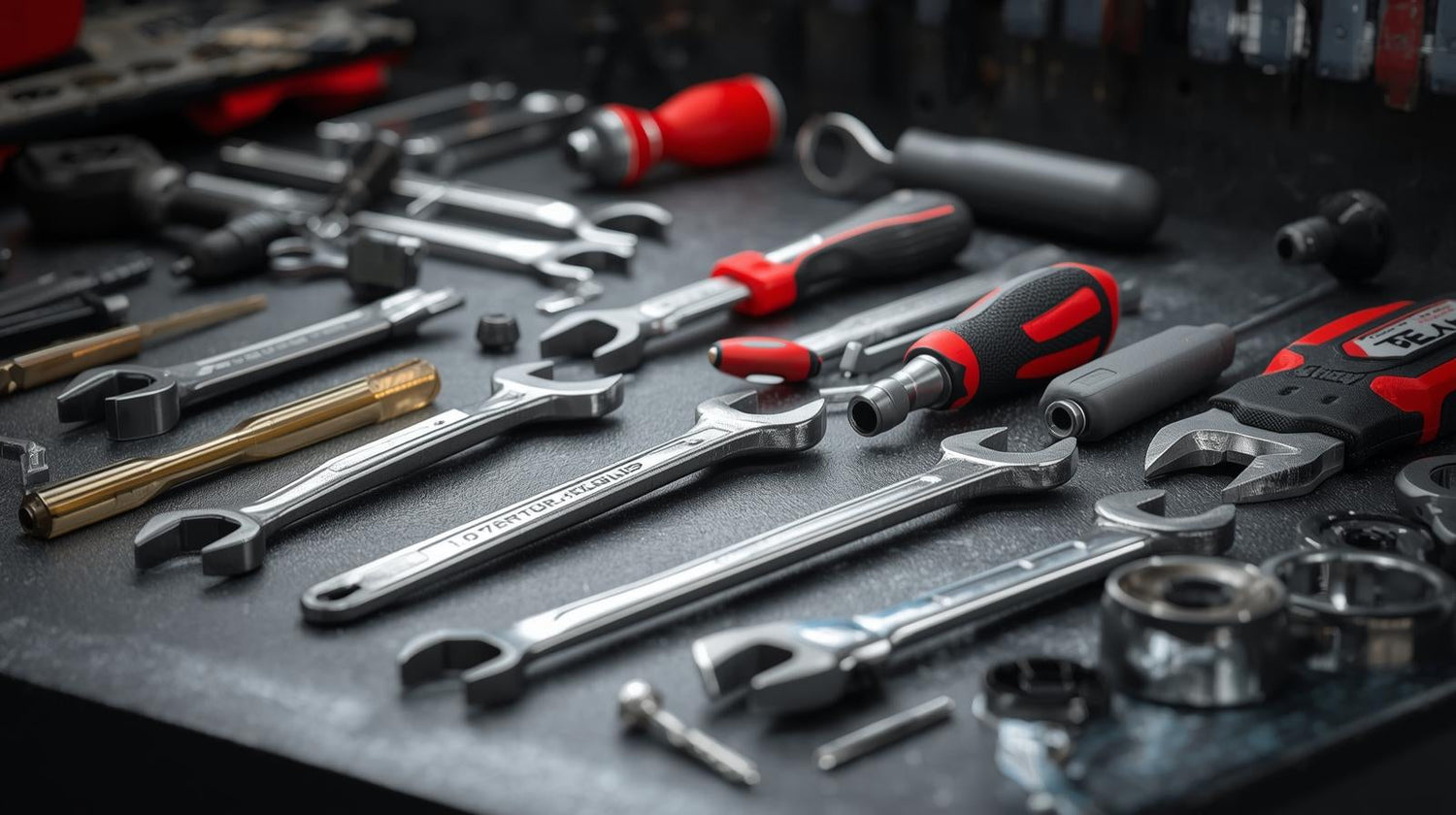
Picture this: You're driving home after a long day, it's getting dark, and suddenly your car starts making an unusual noise. You pull over only to discover a flat tire, and the nearest service station is miles away. In this moment, having a basic car tool kit could be the difference between a minor inconvenience and a major ordeal.
Every year, millions of drivers find themselves stranded on roadsides due to minor vehicle issues that could be easily resolved with a few basic tools. Whether it's a loose connection, a flat tire, or a dead battery, being prepared with the right tools can save you time, money, and the stress of waiting for roadside assistance in potentially dangerous situations.
The Benefits of Carrying a Basic Car Tool Kit
Self-Reliance and Empowerment
Having your own car tool kit gives you the power to handle minor issues without depending on others. Many car problems don't require professional expertise—just the right tools and basic knowledge. Being able to tighten a loose connection or replace a fuse can give you confidence and peace of mind on the road.
Cost-Effectiveness
Roadside assistance services can be expensive, especially for simple fixes. A basic service call can cost anywhere from $50 to $100, and that's before any actual repairs. With your own tool kit, you can address many common issues without paying for service calls, potentially saving hundreds of dollars over time.
Time-Saving
When you're stranded, waiting for help can take hours, especially in remote areas or during busy periods. Having the tools to fix simple problems yourself means you can get back on the road quickly rather than waiting for assistance to arrive.
Safety in Emergency Situations
Being stranded in unfamiliar or isolated areas, especially at night or in bad weather, can put you at risk. A basic tool kit allows you to address the issue and continue your journey, minimizing your time in potentially unsafe situations.
Helping Others
Your preparedness doesn't just benefit you—it enables you to help fellow motorists in need. Being able to assist someone with a jump start or help tighten a loose component can make a significant difference in someone else's day.
Be Prepared for Any Roadside Situation
Don't wait until you're stranded to wish you had the right tools. Invest in a quality basic car tool kit today.
Essential Tools Every Driver Should Have in Their Car
You don't need a professional mechanic's workshop in your trunk, but having these fundamental tools can help you handle the most common roadside issues with confidence.
Tire-Related Tools
Tire Pressure Gauge
Proper tire pressure is crucial for safety, fuel efficiency, and tire longevity. A simple tire pressure gauge allows you to check your tires regularly and before long trips. Underinflated tires can lead to poor handling, reduced fuel economy, and even blowouts.
Portable Tire Inflator
A small, portable tire inflator that plugs into your car's 12V outlet can be a lifesaver when you discover a low tire in an area without service stations nearby. These compact devices can inflate a tire in minutes, getting you safely to your destination or to a repair facility.
Keep Your Tires in Perfect Condition
Proper tire maintenance can prevent many roadside emergencies. Get the tools you need to keep your tires in optimal condition.
Electrical System Tools
Jumper Cables
A dead battery is one of the most common car problems, especially in cold weather. Quality jumper cables allow you to restart your vehicle with help from another car. Look for cables that are at least 10 feet long with thick gauge wire and sturdy clamps for the best performance.
Flashlight
Car troubles don't always happen in daylight. A reliable flashlight is essential for inspecting your vehicle, checking under the hood, or changing a tire in low-light conditions. Consider an LED flashlight with long battery life or a rechargeable option that can be powered through your car's USB port.
Fuses
Electrical issues often come down to a blown fuse. Having a small assortment of replacement fuses that match your vehicle's specifications can help you quickly resolve issues with lights, power windows, or other electrical components. Your vehicle's manual will indicate which fuses you need.
Multi-meter (Optional)
For those comfortable with basic electrical diagnostics, a simple multi-meter can help identify electrical problems like battery drain or faulty sensors. While not essential for everyone, it can be a valuable addition to your tool kit if you're interested in diagnosing electrical issues yourself.
Never Get Stranded with a Dead Battery Again
Electrical issues are among the most common causes of roadside breakdowns. Be prepared with the right electrical tools.
Basic Hand Tools
Adjustable Wrench
An adjustable wrench is versatile enough to handle various bolt sizes and can help with everything from battery terminal connections to securing loose components. A medium-sized (8-10 inch) wrench offers the best balance of versatility and ease of use.
Screwdriver Set
A basic set with both flathead and Phillips head screwdrivers in a couple of sizes can help with numerous tasks, from removing covers to access components, to tightening loose screws on interior panels. Look for screwdrivers with comfortable grips and magnetic tips for easier use.
Pliers
A pair of needle-nose pliers and standard pliers can help with gripping small parts, bending metal, or holding components in place while you work on them. They're particularly useful for electrical repairs and accessing tight spaces under the dashboard or hood.
Socket Set (Compact)
A small socket set with common sizes can be invaluable for various repairs. While professional mechanics use extensive sets, a compact version with the most commonly used sizes is sufficient for most roadside fixes and takes up minimal space in your vehicle.
Handle Any Minor Repair with Confidence
The right hand tools make all the difference when facing a mechanical issue. Equip yourself with quality tools that will last for years.
Safety and Emergency Items
Reflective Warning Triangle
If you need to pull over, especially at night or in low visibility conditions, a reflective warning triangle alerts other drivers to your presence, reducing the risk of accidents. Place it about 50 feet behind your vehicle to give approaching drivers adequate warning.
Work Gloves
A pair of durable work gloves protects your hands while working on your vehicle, especially when dealing with hot engine components or sharp metal edges. They also provide better grip when handling tools or changing tires in wet or cold conditions.
Duct Tape
While not a permanent fix, duct tape can temporarily secure loose parts, patch hoses, or even cover a cracked window until proper repairs can be made. Its versatility makes it an essential addition to any car tool kit.
First Aid Kit
While not strictly a tool, a basic first aid kit is essential for treating minor injuries that might occur while working on your vehicle. Include bandages, antiseptic wipes, pain relievers, and any personal medications you might need in an emergency.
Stay Safe During Roadside Emergencies
Safety should always be your priority when dealing with vehicle issues. Ensure you have the right safety equipment alongside your tools.
How to Choose the Right Basic Car Tool Kit
Quality vs. Price
While it's tempting to opt for the cheapest option, tools that break when you need them most can leave you stranded. Look for a balance between affordability and quality. Mid-range tool kits often provide the best value, with durable construction that will last for years without breaking the bank.
Vehicle-Specific Considerations
Different vehicles may require specific tools. Check your vehicle's manual for any unique tool requirements, especially for tasks like changing a tire or accessing the battery. Some European vehicles, for example, use different bolt types than American or Asian cars.
Storage and Organization
A well-organized kit in a compact, durable case makes it easier to find what you need quickly during an emergency. Look for kits with secure closures that won't spill tools throughout your trunk and compartments that keep everything in its place.
Comprehensive vs. Compact
Consider your space constraints and mechanical comfort level. If you have limited trunk space or minimal mechanical experience, a compact kit with just the essentials might be best. If you have more room and confidence in your abilities, a more comprehensive kit gives you additional options for repairs.
Pre-assembled Kit Advantages
- Convenience of having all necessary tools in one package
- Tools are selected to work together and fit in the provided case
- Often more cost-effective than buying individual tools
- Designed specifically for automotive use
Building Your Own Kit Considerations
- Can select higher quality individual tools
- Ability to customize based on your specific vehicle needs
- Can start with basics and add over time
- May be more expensive initially
Find the Perfect Car Tool Kit for Your Needs
Whether you prefer a pre-assembled kit or want to build your own, having the right tools is essential for every driver.
Practical Tips for Using Your Car Tool Kit
Familiarize Yourself Before Emergencies
Don't wait until you're stranded to figure out how to use your tools. Take time to familiarize yourself with each item in your kit and practice basic tasks like checking tire pressure or locating your spare tire. Many vehicle manuals include basic maintenance procedures you can practice in your driveway.
Keep Your Kit Accessible
Store your tool kit where you can easily reach it, not buried under luggage or groceries. The passenger compartment or a dedicated space in your trunk ensures you can access your tools quickly when needed.
Maintain Your Tools
Periodically check your tools for rust or damage, especially if they've been exposed to moisture. A light coating of oil on metal tools can prevent rust, and replacing damaged tools promptly ensures your kit remains effective when you need it.
Know Your Limits
While a basic tool kit empowers you to handle many common issues, it's important to recognize when a problem is beyond your skills or tools. Some repairs are best left to professionals, especially those involving safety systems like brakes or airbags.
"The best tool in any kit is knowledge. Understanding the basics of how your vehicle works and what to do in common emergency situations is just as important as having the right equipment."
- Automotive Safety Expert
Learn Basic Car Maintenance Skills
Pair your new tool kit with some basic knowledge to become truly self-reliant on the road.
Recommended Basic Car Tool Kits
Budget-Friendly Starter Kit
Perfect for new drivers or those with limited space, this compact kit includes the absolute essentials: jumper cables, tire pressure gauge, adjustable wrench, screwdrivers, and a flashlight. Affordable without sacrificing quality on the most critical tools.
- Compact case fits in glove compartment
- Includes 8 most essential tools
- Ideal for basic emergencies
- Great for first-time car owners
Comprehensive Mid-Range Kit
A balanced option offering more versatility for drivers who want to handle a wider range of issues. Includes a socket set, multiple pliers, expanded screwdriver options, and additional emergency items in a durable case.
- 40+ pieces in a durable carrying case
- Includes basic diagnostic tools
- High-quality metal tools with comfort grips
- Best value for most drivers
Premium Complete Kit
For those who want maximum preparedness, this comprehensive kit features professional-grade tools that can handle almost any roadside situation. Includes everything in the mid-range kit plus specialized tools and higher quality construction throughout.
- 80+ professional-grade tools
- Includes diagnostic equipment
- Lifetime warranty on all tools
- Perfect for DIY enthusiasts
Find Your Perfect Car Tool Kit Today
Compare all options to find the kit that matches your needs, vehicle, and budget. Invest in your safety and peace of mind on the road.
Peace of Mind in Your Trunk: The Ultimate Investment
A basic car tool kit is more than just a collection of tools—it's an investment in your safety, independence, and peace of mind. For a relatively small cost, you gain the ability to handle many common vehicle issues yourself, potentially saving hundreds of dollars in service calls and countless hours waiting for assistance.
Remember that being prepared isn't just about having the right tools—it's about having the confidence to use them. Take time to learn basic vehicle maintenance, understand how to safely use each tool in your kit, and know when to call for professional help.
Whether you're a new driver just starting out or an experienced motorist looking to be better prepared, a well-chosen basic car tool kit is one of the smartest additions you can make to your vehicle. It's not just about fixing problems—it's about taking control of your journey and being ready for whatever the road brings your way.
Don't Wait Until You're Stranded
Invest in your safety and independence today with a quality basic car tool kit that will serve you for years to come.
Frequently Asked Questions About Car Tool Kits
How much should I expect to spend on a good basic car tool kit?
A quality basic car tool kit typically ranges from $30 for a starter kit with essential tools to $100+ for a comprehensive kit with professional-grade tools. The sweet spot for most drivers is around $50-70, which provides good quality tools that will last for years without breaking the bank.
Do I need different tools for different types of vehicles?
While most basic tools are universal, some vehicles may require specific tools for certain tasks. European cars often use different bolt types than American or Asian vehicles. Check your owner's manual for any special tool requirements, especially for tasks like changing a tire or accessing the battery.
I don't know anything about car repairs. Is a tool kit still useful for me?
Absolutely! Even with minimal mechanical knowledge, tools like jumper cables, a tire pressure gauge, and a flashlight can be incredibly useful. Many roadside issues require simple solutions that anyone can handle with basic tools. Plus, having these tools means you can help others or receive assistance from a passing good Samaritan who has the knowledge but not the tools.
Where should I store my car tool kit?
Store your tool kit in an accessible location in your vehicle, such as the trunk or under a seat. Avoid places where it might shift during driving or become buried under other items. Some compact kits can fit in your glove compartment for easy access. Wherever you store it, make sure it's secured so it doesn't become a projectile in case of sudden stops.
How often should I check or replace the tools in my kit?
Inspect your tool kit at least twice a year, perhaps when you change your clocks for daylight saving time. Check for rust, damage, or missing items. Replace any damaged tools immediately. Also check the batteries in your flashlight and the air in any inflators. Some items like first aid supplies may have expiration dates that should be monitored.
Still Have Questions?
Our experts can help you find the perfect basic car tool kit for your specific vehicle and needs.


Leave a comment
This site is protected by hCaptcha and the hCaptcha Privacy Policy and Terms of Service apply.